
Biochar for Sustainable Coffee
Santander, Colombia
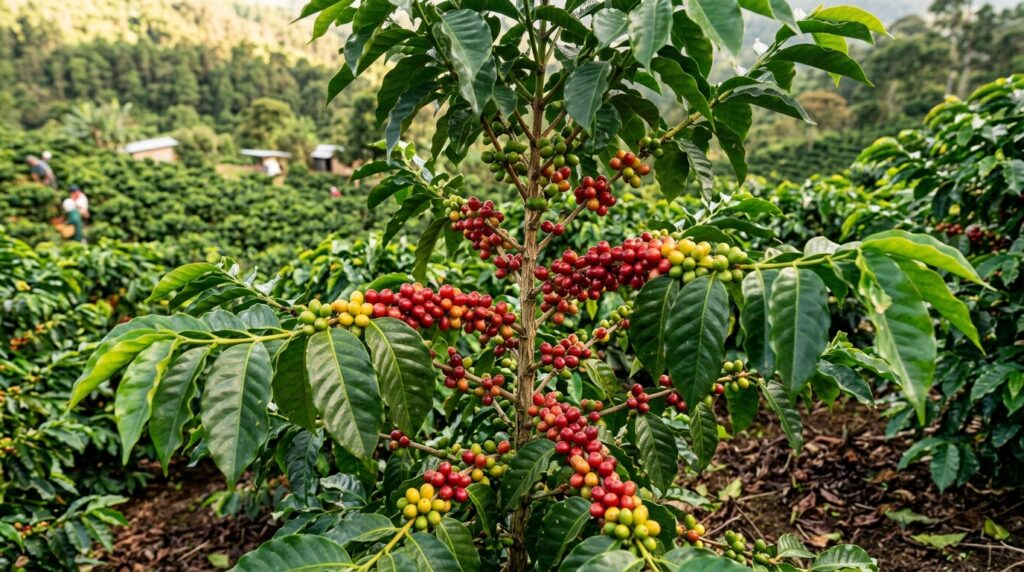
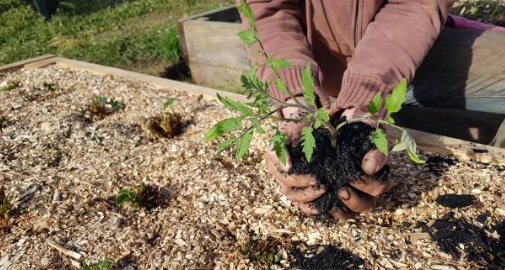
This pilot project supports coffee-growing farmers of Colombia by transforming agricultural residues into biochar, a carbon-rich material that improves soil health, increases agricultural productivity, and enhances long-term carbon sequestration. By promoting regenerative agriculture and sustainable land management, the initiative helps reduce greenhouse gas emissions, improve farmers’ resilience to climate change, and contribute to more sustainable coffee production systems.
Beyond improving agricultural productivity, the initiative seeks to reduce reliance on synthetic fertilizers, restore degraded soils, protect water resources, and strengthen ecosystem resilience. By leveraging biochar as a long-term carbon removal solution, the project aims to generate high-integrity carbon credits that support sustainable rural development and climate action.
Restoring the Heart of the World: An Indigenous-Led Restoration Initiative
Sierra Nevada de Santa Marta, Colombia
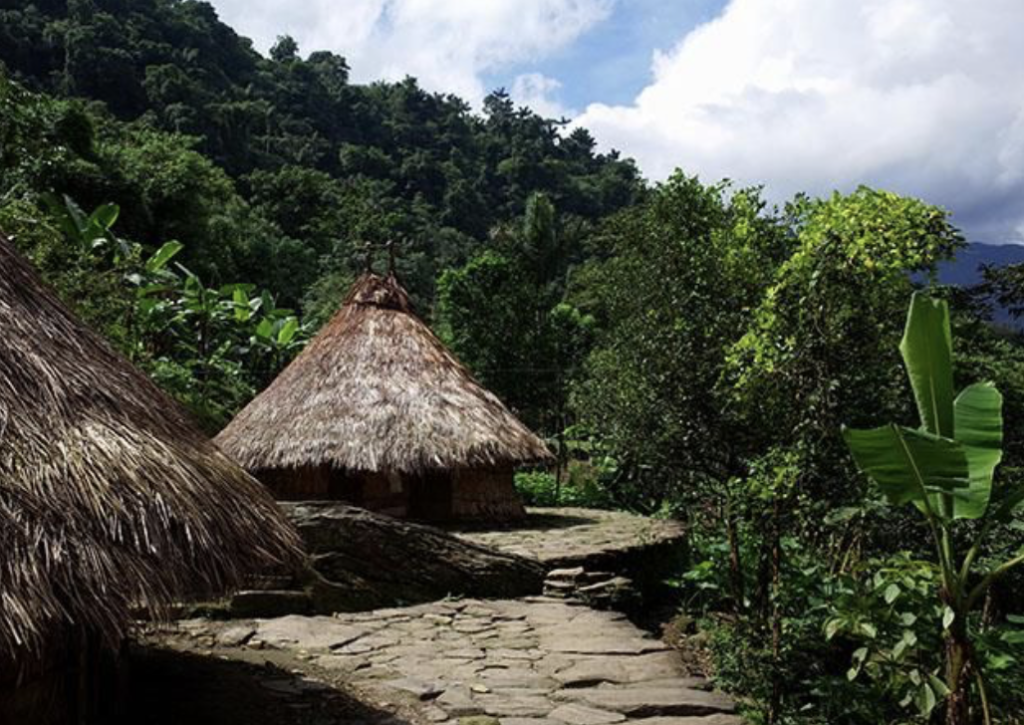
Developed in partnership with the Arhuaco Indigenous community, this restoration initiative focuses on recovering degraded tropical dry forests using native species while protecting biodiversity and strengthening ecosystem resilience. By integrating Indigenous knowledge with science-based restoration practices, the project promotes long-term climate resilience, conserves critical ecosystems, and delivers lasting environmental and community benefits.
The initiative begins with an initial 90-hectare restoration area in Umuriwa as the first Project Activity Instance (PAI) of a broader Grouped ARR Project. With the potential to restore around 120,000 hectares across strategic ecological corridors within the ancestral territory of the Sierra Nevada de Santa Marta, the project aims to enhance biodiversity, strengthen ecosystem connectivity, remove atmospheric carbon, and generate high-integrity carbon credits while supporting Indigenous stewardship and sustainable livelihoods.
Cleaning the Heart of the World
Magdalena, Colombia
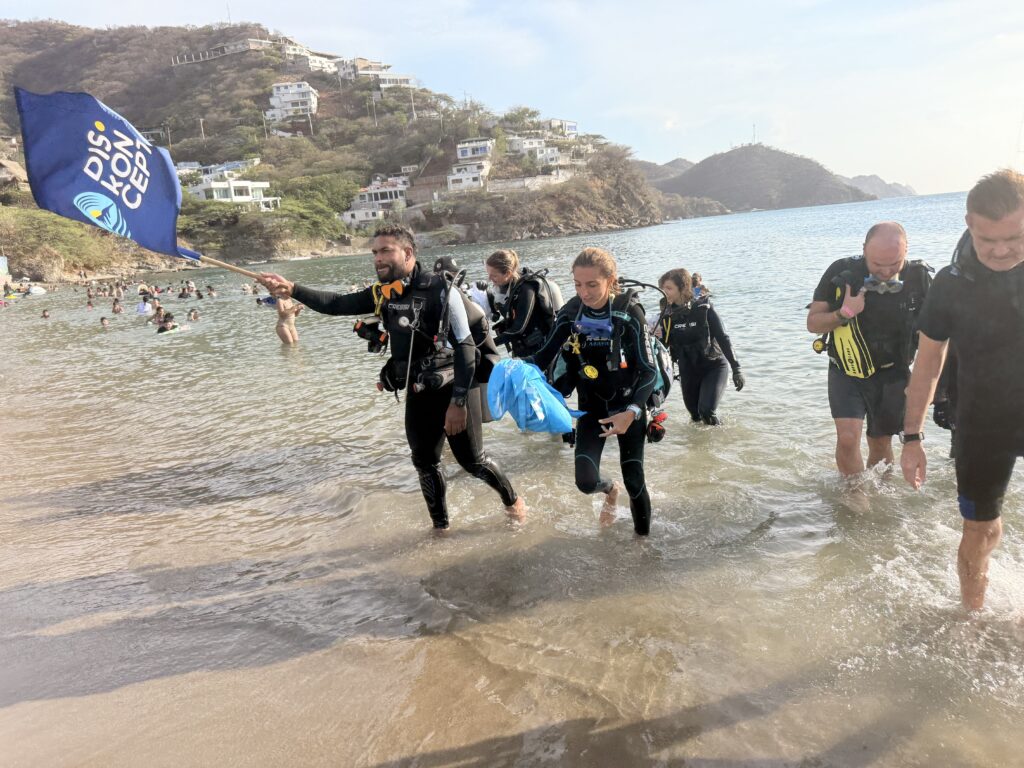
Cleaning the Heart of the World is a marine conservation initiative led by DisKoncept Foundation to remove waste and plastic pollution from the Caribbean coast of Magdalena. The project is inspired by the “Heart of the World,” the ancestral name given by the Indigenous peoples to the Sierra Nevada de Santa Marta, a region they consider essential to the balance of life on Earth.
With more than 103 cleanup activities completed, the initiative has mobilized hundreds of volunteers and divers to protect marine ecosystems and avoid more than 100 tonnes of CO₂ emissions.
CES Environmental Solutions supports the initiative by scaling its impact through environmental finance, private sector partnerships, and the development of carbon credits opportunities. Together, we are building a sustainable model that connects ocean conservation, community engagement, and climate action.
Yariguíes REDD+ Project
Serranía de los Yariguíes, Colombia
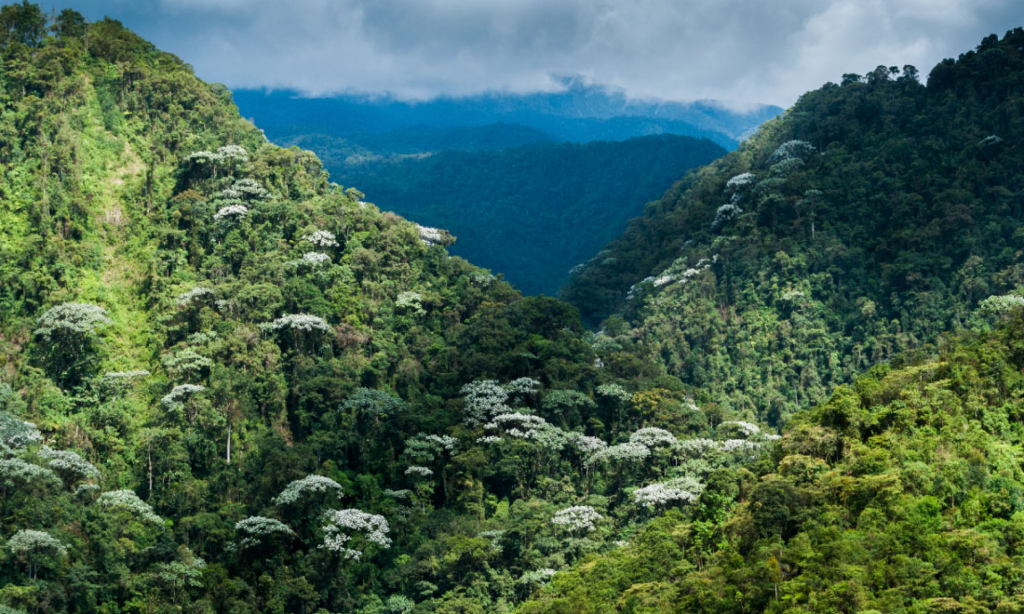
The Yariguíes REDD+ Project is a landscape-scale conservation initiative designed to protect one of Colombia’s most important biodiversity hotspots by preventing deforestation, conserving native forests, and promoting sustainable land management.
With the potential to conserve approximately 100,000 hectares of tropical forests, the initiative seeks to strengthen biodiversity corridors, protect watersheds, and improve sustainable livelihoods through innovative environmental finance. By combining forest conservation, community engagement, and carbon markets, the project contributes to long-term climate resilience and the preservation of the Serranía de los Yariguíes’ unique natural heritage.
Payment for Ecosystem Services
Multiple Ecosystems, Latin America
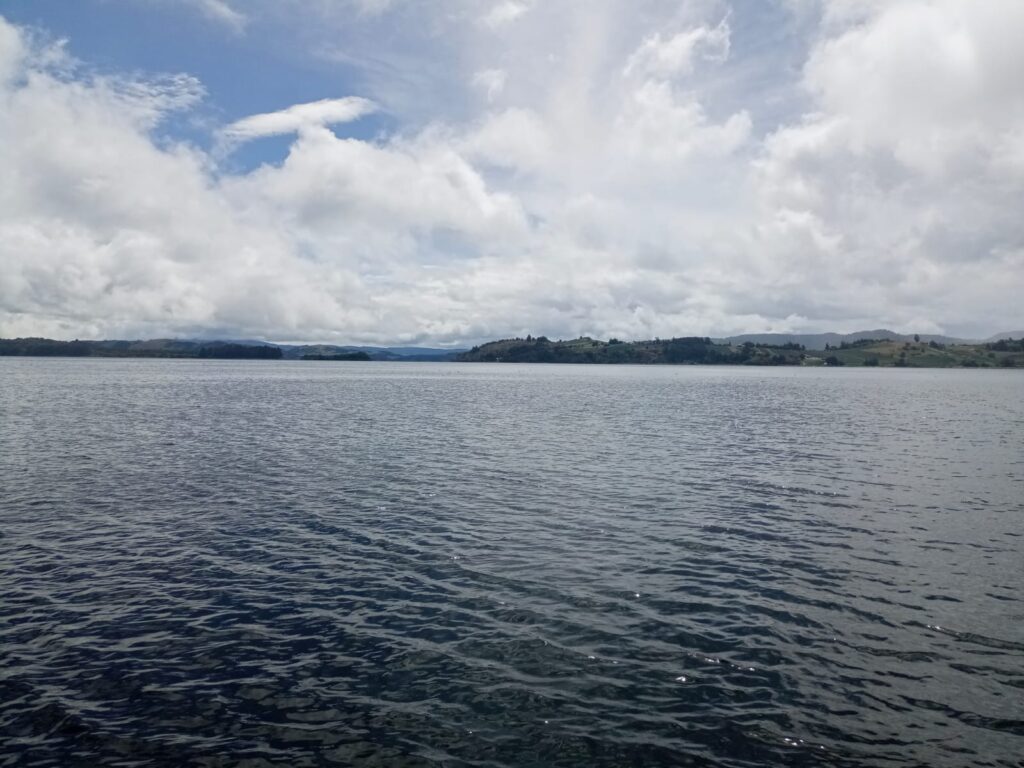
This initiative develops innovative Payment for Ecosystem Services (PES) models that create financial incentives for protecting forests, watersheds, biodiversity, and other critical ecosystems across Colombia. By recognizing and rewarding environmental stewardship, the project helps strengthen conservation efforts, improve local livelihoods, and mobilize sustainable financing for nature while supporting climate resilience and ecosystem restoration.
These descriptions strike a balance between technical credibility and accessibility, making them suitable for international audiences, including governments, development banks, NGOs, corporate partners, and climate finance stakeholders. They also position CES as both a strategic advisor and an implementation partner.
Amazon Forest Restoration (ARR)
Amazon Rainforest, South America

The Amazon Forest Restoration (ARR) Project is a large-scale Afforestation, Reforestation, and Revegetation initiative focused on restoring degraded landscapes across the Amazon Rainforest. By re-establishing native forests, the project enhances biodiversity, strengthens ecosystem connectivity, removes atmospheric carbon, and supports long-term climate resilience through sustainable land management and community participation.
Designed with the potential to restore up to 1 million hectares, the initiative seeks to generate high-integrity carbon removals while protecting one of the world’s most important ecosystems. Through collaboration with Indigenous Peoples, local communities, governments, and strategic partners, the project promotes sustainable livelihoods, conserves biodiversity, and mobilizes environmental finance to support long-term forest restoration and climate action.